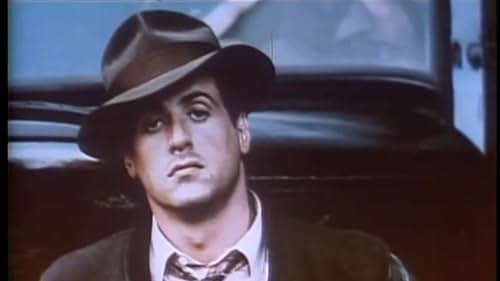
F.I.S.T. (1978)
F.I.S.T. chronicles the rise and fall of Johnny Kovak, a working-class truck driver who becomes a powerful labor union leader in Cleveland during the mid-20th century. Initially idealistic and passionate about workers’ rights, Johnny’s journey reflects how good intentions can gradually be corrupted by ambition, power, and compromise.
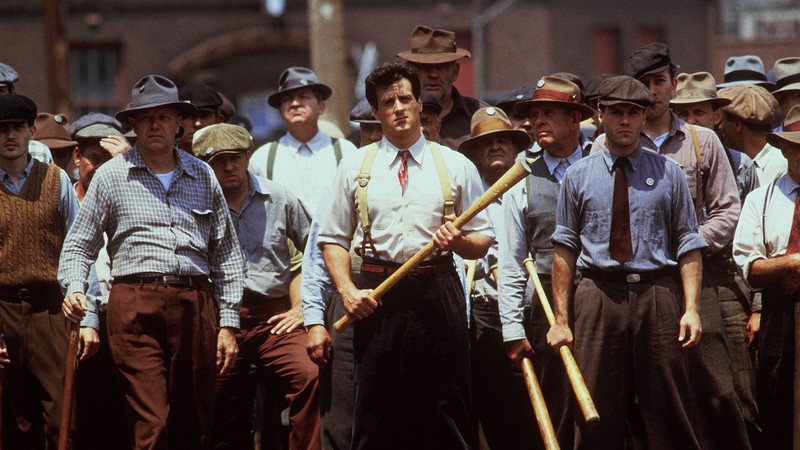
Johnny begins as a small-time organizer for the Federation of Inter-State Truckers (F.I.S.T.), fighting against exploitative trucking companies that overwork and underpay drivers. Charismatic, intelligent, and deeply connected to the struggles of ordinary workers, Johnny quickly gains influence within the union. His fiery speeches and willingness to challenge authority earn him the loyalty of fellow drivers and the attention of union leadership.
As the union grows, Johnny realizes that success requires more than passion—it demands political maneuvering and strategic alliances. He becomes entangled with organized crime figures who offer financial backing and muscle to help secure union victories. Though uneasy, Johnny justifies these alliances as necessary evils to protect workers and expand the union’s reach.
Over time, Johnny rises to the top of the union hierarchy, gaining wealth, prestige, and national influence. However, his ascent comes at a personal cost. He grows distant from his longtime friends and allies, particularly Abe, a close confidant who becomes disillusioned with Johnny’s compromises. Johnny’s marriage also suffers as his priorities shift from justice to control.
As the union expands nationwide, corruption becomes unavoidable. Bribery, intimidation, and backroom deals replace grassroots activism. Johnny increasingly resembles the corporate executives he once opposed, rationalizing his actions as the price of leadership. Meanwhile, federal investigators begin scrutinizing F.I.S.T., suspecting criminal infiltration and abuse of power.
The tension culminates when Johnny is summoned before a government investigation committee. Forced to confront his past decisions, he must choose between protecting himself or exposing the corruption he helped create. In a defining moment, Johnny refuses to betray his associates, sealing his own fate and acknowledging the moral cost of his ambition.
By the film’s end, Johnny stands isolated—powerful yet hollow. The union survives, but the ideals that once fueled its creation have been compromised beyond recognition. Johnny reflects on how far he has drifted from the worker he once was, realizing that the fight for justice became a struggle for dominance.
F.I.S.T. is a sober, political drama that explores the seductive nature of power and the thin line between leadership and corruption. Anchored by a restrained, dramatic performance, the film presents a cautionary tale about how movements built on fairness can lose their soul when ideals give way to ambition.