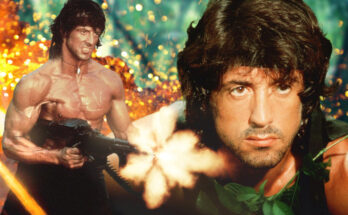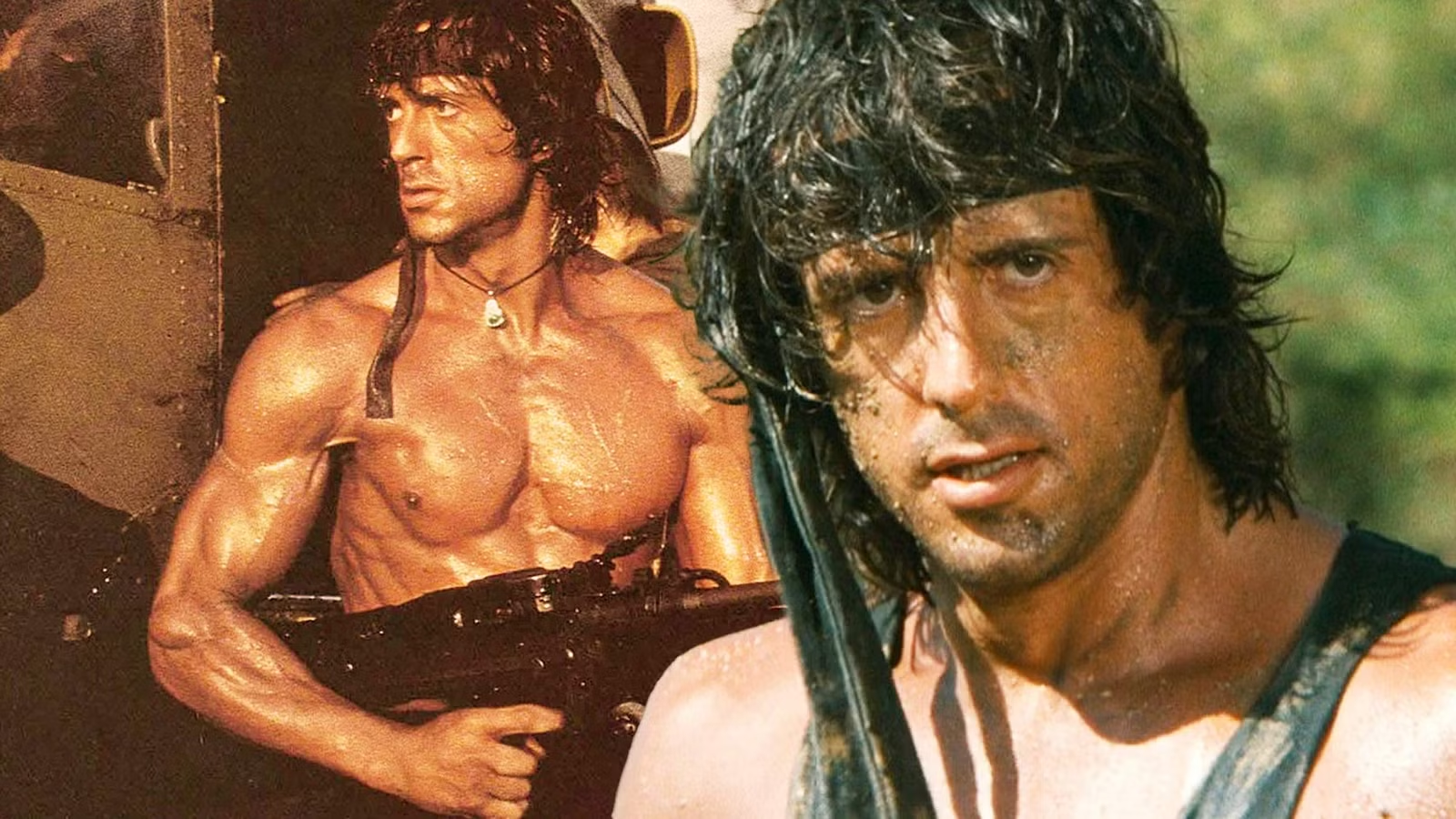
Rambo: First Blood Part II (1985)
Rambo: First Blood Part II follows John Rambo, a former Green Beret and Vietnam War veteran still haunted by the trauma of combat and abandonment. At the start of the film, Rambo is serving time in a labor camp for his actions in First Blood. He is unexpectedly approached by Colonel Sam Trautman, who offers him a chance at freedom in exchange for a dangerous mission.
The U.S. government wants proof that American prisoners of war are still being held in Vietnam. Rambo is sent on a covert reconnaissance mission to locate a POW camp and photograph any survivors. He is explicitly ordered not to engage the enemy or attempt a rescue. The mission is overseen by bureaucrat Marshall Murdock, whose political interests prioritize deniability over human lives.
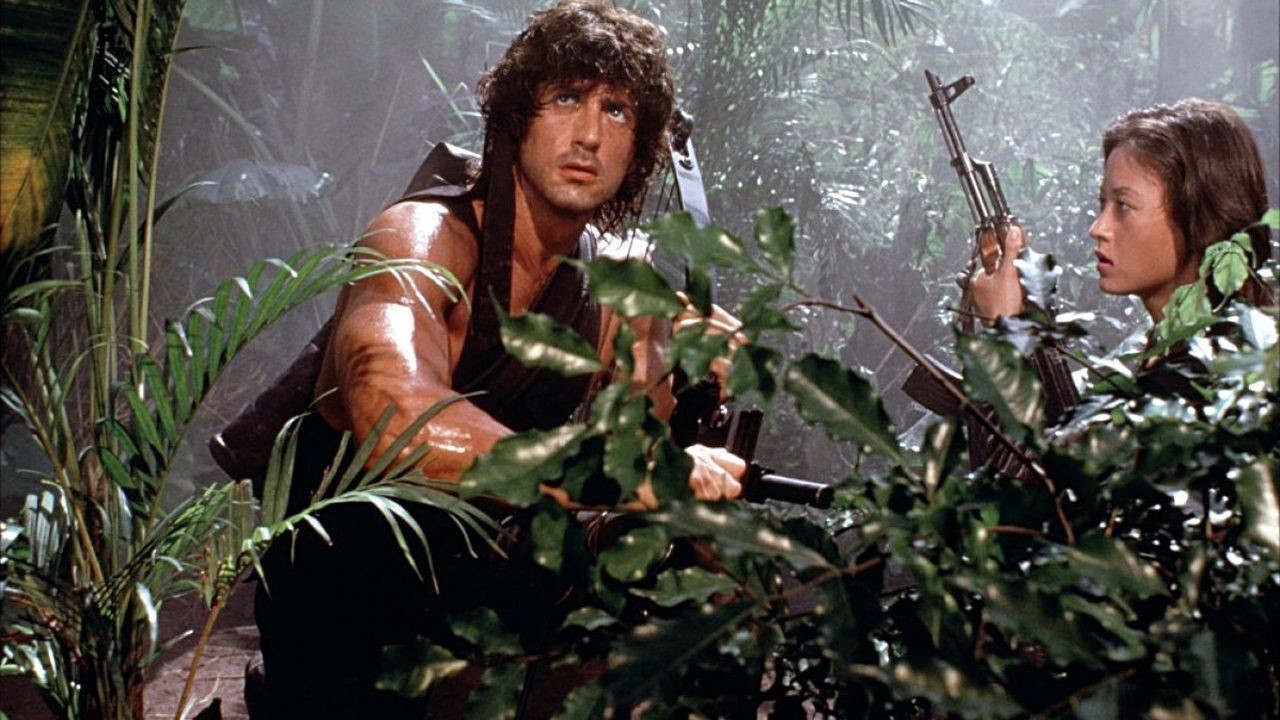
Inserted into Vietnam by helicopter, Rambo teams up with Co Bao, a Vietnamese resistance fighter who assists him in navigating the jungle. Together, they infiltrate enemy territory and locate a camp where American POWs are indeed being tortured and imprisoned. Upon seeing their suffering, Rambo defies orders and launches a daring rescue attempt.
His actions trigger a violent response. Co Bao is captured and brutally killed by enemy forces, intensifying Rambo’s rage and sense of betrayal. Meanwhile, Murdock deliberately abandons Rambo, ordering the extraction helicopter to leave him behind to avoid political consequences. Betrayed by his own government once again, Rambo is captured and tortured by Vietnamese and Soviet forces.
Refusing to break, Rambo escapes captivity using sheer endurance and combat skill. What follows is a relentless one-man assault through the jungle. Armed with a bow, explosive arrows, and heavy weaponry, Rambo dismantles enemy camps, rescues the POWs, and calls in air support using the enemy’s own communications equipment.
The film’s climax sees Rambo returning the rescued POWs to an American base. Confronting Murdock, Rambo exposes the government’s hypocrisy and negligence. In an emotional outburst, he demands respect for veterans and accountability for those who were abandoned after the war.
Rambo ultimately refuses to return to society under false promises. He leaves quietly, choosing a solitary path while reaffirming his loyalty to his fellow soldiers. His final exchange with Trautman emphasizes the film’s central theme: the desire not for praise, but for recognition, dignity, and justice.
Rambo: First Blood Part II transforms Rambo from a tragic drifter into a mythic warrior, blending political anger with explosive action. It reflects the 1980s action era while voicing the frustrations of veterans who felt forgotten after the Vietnam War.