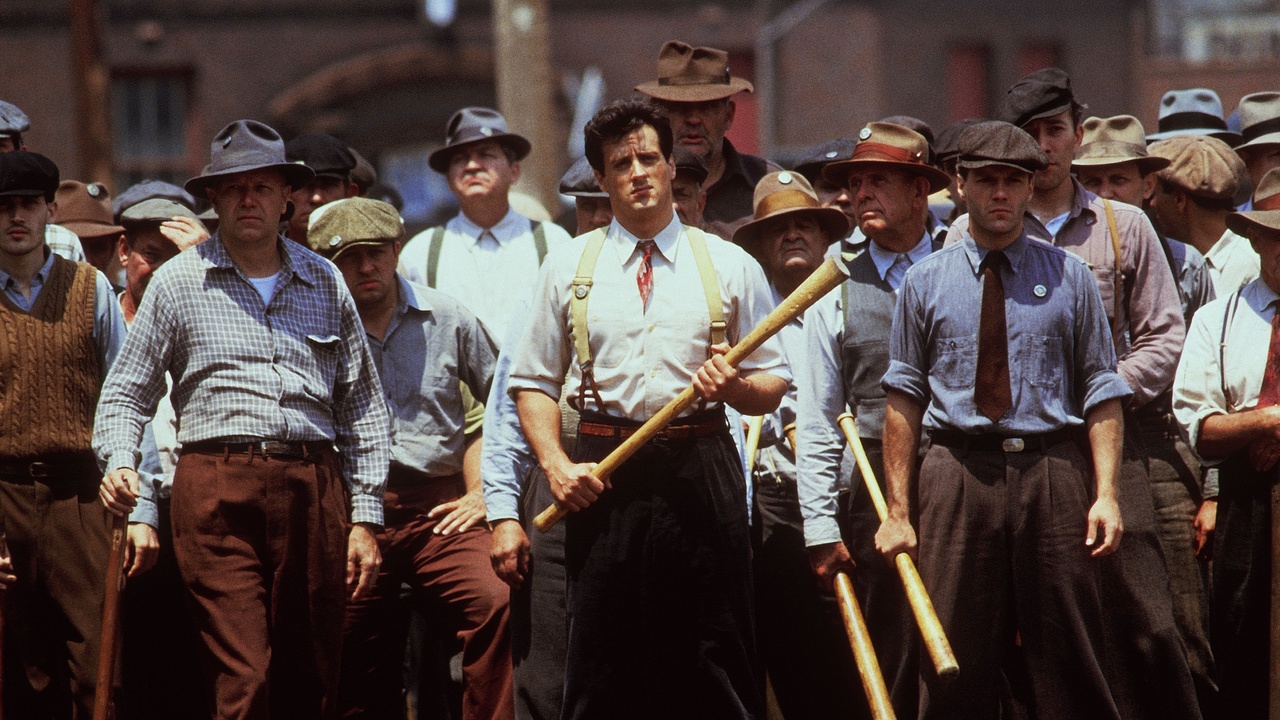
F.I.S.T. (1978)
F.I.S.T. follows the rise and moral descent of Johnny Kovak, a Cleveland warehouse worker whose hunger for justice transforms him into a powerful yet compromised labor leader. Set in the 1930s and inspired by the history of the Teamsters Union and the legend of Jimmy Hoffa, the film traces the evolution of a man who begins with righteous intentions but is slowly swallowed by power, corruption, and ambition.
Johnny Kovak is introduced as a hardworking, hot-tempered employee at a food-distribution plant. When he stands up to management for mistreating workers, he is fired, igniting resentment among the labor force. His courage and fiery speeches draw workers to his side, leading to a walkout that sparks the growth of the labor movement known as F.I.S.T. (Federation of Inter-State Truckers). With unwavering determination, Johnny becomes a key figure in the organization, devoting himself to improving wages, safety, and respect for workers who have long been ignored.
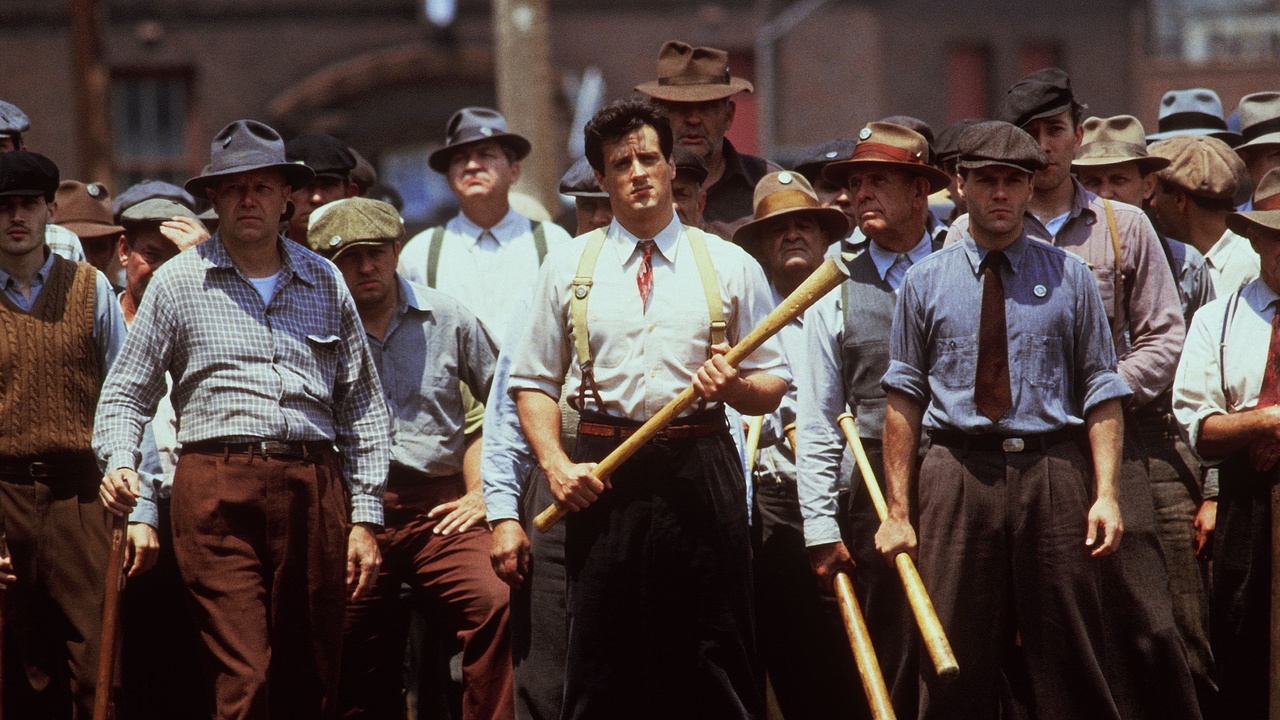
As F.I.S.T. expands nationally, Johnny’s influence skyrockets. Yet progress comes at a cost. Strikes lead to violence, and management hires strikebreakers to crush the union effort. To protect his members, Johnny reluctantly allows the mob to help enforce union power. With victory comes legitimacy, and F.I.S.T. becomes a dominant labor force—but its alliance with organized crime grows deeper, darker, and harder to escape.
Years later, Johnny stands at the top: wealthy, influential, and feared. But his relationship with the mob begins to overshadow the union’s original purpose. His personal life falters—his marriage strains under the weight of obsession and moral compromise. Friends who once supported him question the movement’s direction, and allegations of corruption and illegal activity surface. Johnny insists he is still fighting for workers, but his world is built on deals, backroom politics, and threats that mirror the very oppression he once opposed.
When federal investigations close in, Johnny is forced to defend his legacy before a Senate committee. He denies wrongdoing, but witnesses, former allies, and mounting evidence suggest otherwise. The once-idealistic leader is left confronting the painful truth: he built power through means that destroyed the purity of his cause.
In the end, F.I.S.T. is the story of a man who rose from the factory floor to the top of American labor—only to fall under the weight of his own ambition. It is a tragic reflection on power, corruption, and how good intentions can be reshaped into something unrecognizable.