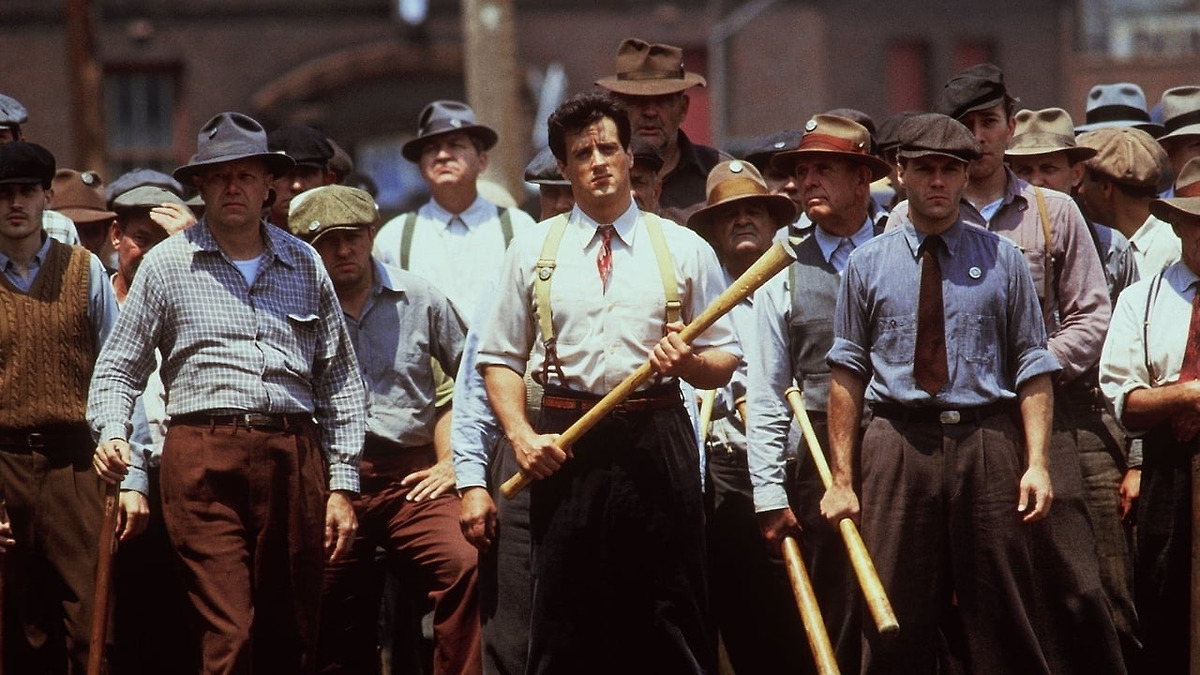
F.I.S.T. (1978)
F.I.S.T. is a gritty political-crime drama following the rise and fall of Johnny Kovak (Sylvester Stallone), a hardworking Cleveland warehouse laborer in the 1930s. Frustrated by abusive supervisors, unfair wages, and the exploitation of workers, Johnny becomes an outspoken figure within a small group of labor activists. His fiery speech during a warehouse protest draws the attention of the struggling truckers’ union known as F.I.S.T. (Federation of Interstate Truckers). Recognizing his natural leadership, the union recruits him, and Johnny quickly becomes one of its most passionate representatives.
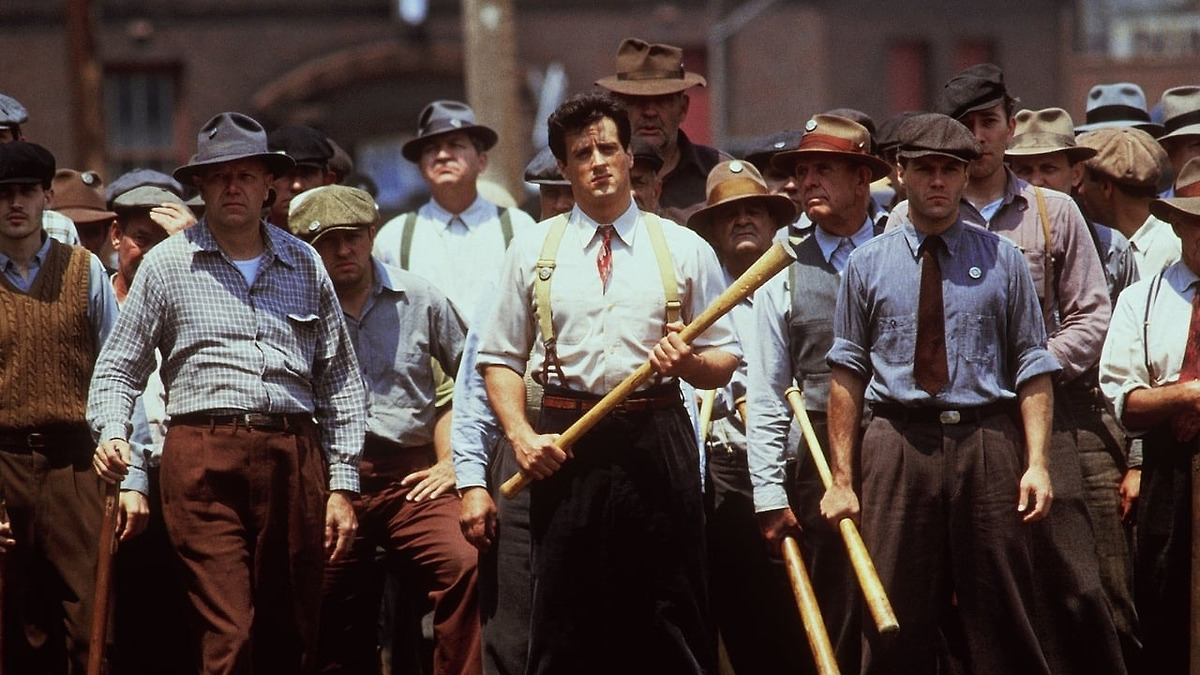
As Johnny helps organize workers and lead strikes, he proves fearless in confronting management. His charisma and willingness to fight for labor rights make him extremely popular among everyday workers, who view him as someone willing to do what others won’t. However, these same qualities also attract unwanted attention. Management retaliates violently, and the union faces sabotage, threats, and political pressure. To strengthen F.I.S.T. and protect its members, Johnny reluctantly agrees to work with the mob, who offer muscle and protection in exchange for influence.
Johnny’s partnership with organized crime becomes the turning point of his career. Although it helps F.I.S.T. grow into a powerful national labor force, it also compromises the ideals that Johnny once fiercely defended. As the union expands, political corruption and internal power struggles begin to overshadow its original purpose. Johnny rises into national leadership, but the cost is high: friendships fracture, personal relationships crumble, and his own moral boundaries blur.
When federal investigators begin looking into corruption within the union—including bribery, intimidation, and possible murder—Johnny becomes the main target. Former allies betray him, and public trust in F.I.S.T. deteriorates. Johnny insists that his decisions were made to protect workers, but the line between necessity and corruption becomes increasingly thin. The film’s final act centers on Johnny’s desperate fight to keep the union together while defending himself from mounting legal and political threats.

In the end, F.I.S.T. portrays the tragic transformation of a man who rose from humble beginnings with noble intentions but was ultimately consumed by the same power structures he sought to defeat. The story blends social commentary, political drama, and crime elements, offering a complex character study influenced by real-life union history—most notably the rise and controversies surrounding Teamsters leader Jimmy Hoffa.