
Rambo (2008)
Rambo (also known as Rambo IV) depicts an aging John Rambo living in isolation near the Thai–Myanmar border. Decades after the Vietnam War, Rambo has withdrawn from society, surviving as a snake catcher and river guide. He believes violence is an inescapable part of human nature and refuses to involve himself in conflicts, no matter how brutal.
Rambo’s solitude is interrupted when a group of American Christian missionaries arrives in Thailand, seeking safe passage into Burma to deliver medical aid and spiritual support to villagers oppressed by the Burmese military regime. Rambo initially refuses to help, warning them that Burma is ruled by merciless soldiers who slaughter civilians without hesitation. Eventually, he agrees to take them upriver.
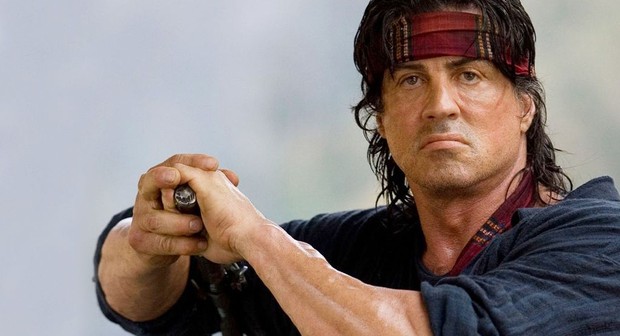
Once inside Burma, the missionaries are ambushed and captured by Burmese soldiers. The army massacres villagers, commits atrocities, and takes the surviving missionaries prisoner. When the group fails to return, their pastor hires a team of mercenaries to rescue them. Knowing Rambo’s knowledge of the terrain and the enemy, the mercenaries force him to guide them into Burma.

Rambo remains reluctant, insisting that violence only leads to more bloodshed. However, as the mission unfolds, his survival instincts and combat skills resurface. When the mercenaries are ambushed, Rambo kills enemy soldiers with ruthless efficiency, proving he is still a deadly force.
The rescue mission escalates into extreme violence as Rambo wages a one-man war against the Burmese army. Using knives, a bow, and eventually a mounted machine gun, he annihilates wave after wave of enemy troops. The film portrays the brutality of warfare without glamour, emphasizing chaos, suffering, and moral collapse rather than heroism.
Rambo successfully frees the missionaries and helps the mercenaries escape, covering their retreat in a devastating final stand. His actions save innocent lives, but the cost is immense, reinforcing his belief that violence is both necessary and tragic.
In the final moments, Rambo returns to the United States for the first time in decades. He arrives at his family’s ranch in Arizona, pausing at the gate before walking forward. The ending suggests that while Rambo will never escape his past, he is finally willing to confront it and seek a sense of belonging.
Rambo (2008) is a grim meditation on the savagery of war and the toll it takes on the human soul. Unlike earlier entries, it presents Rambo not as a triumphant hero, but as a survivor shaped—and scarred—by endless conflict.